Sutton High New Article
I had the opportunity to answer questions from the Sutton High School newspaper staff – here they are:
What is your name, how long have you lived in Sutton, and how many children do you have in or have had in the Sutton Public Schools (how long were they there)?
My name is Christopher Matera and I’ve lived in Sutton since 2012. We moved to Sutton to be closer to family and because of the amazing school system. My wife and I have three children with two in the Sutton School System (High School Freshman, and 7th grade Middle School), the third is in pre kindergarten. I’ve had the great privilege of serving on the Zoning Board of Appeals since 2018. This experience has allowed me to play a small role in helping the town and community grow, as well working in a committee setting and coming to consensus decisions.
What are the best features of the Sutton Public Schools?
We have had a fantastic experience in the district. One of our children was a late reader and Sutton provided excellent learning opportunities and support systems especially in the special education department. We have an amazing music and band program. It’s been such a joy watching our older child excel at the flute under the instruction of the music faculty. The High School has notably taken the lead on digital wellbeing. Finally I think the best part of the school system has been the faculty and some of the administrators we’ve had the opportunity to be in contact with; their open communication has certainly helped our kids stay on track.
What is the most crucial issue facing public education?
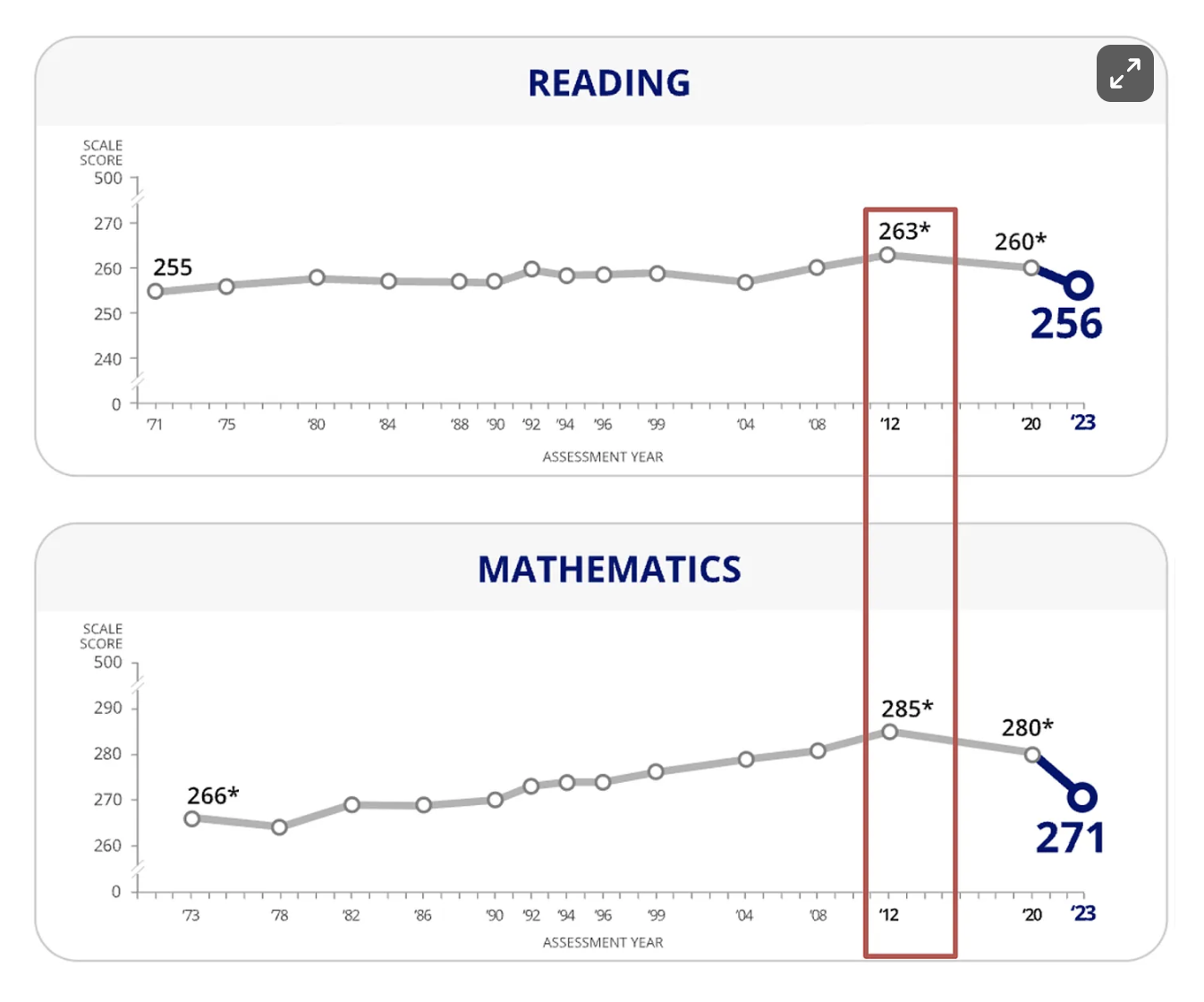
We live in an interesting time, when universities like Harvard are offering remedial mathematics classes to address the lack of foundational algebra skills or when ELA scores are in decline on standardized tests like MCAS the major issue facing public education is how do we prepare our students with the critical skills they need to succeed whether they choose college or to enter the workforce.
No one can question the value of public education, indeed in his letters to James Madison, Thomas Jefferson wrote, in an epilogue entitled “Securing the Republic,” that “Above all things I hope the education of the common people will be attended to; convinced that on their good sense we may rely with the most security for the preservation of a due degree of liberty.”
Moreover John Adams in his paper “A Dissertation on the Canon and the Feudal Law” wrote that “…Liberty cannot be preserved without a general knowledge among the people, who have a right from the frame of their nature, to knowledge…”
In my view our schools need to take a common sense approach and redouble our efforts focused on providing core English, Math, and Science instruction that strengthens our students and enables them to be good citizens and leaders either in college or in the workforce.
How can we properly fund education without dramatically raising taxes?
We have faced several years of punishing inflation and while the rate of inflation has slowed to approximately 2.4% as of March, the cumulative effect of inflation from 2021-2025 has been approximately 18% meaning something that cost $1 in 2021 now costs $1.18. This increase in cost has affected everything from groceries to the cost of energy. While we all feel the cost of inflation, the elderly and those on retirement income are feeling this the most. These rising costs have also created a challenge when you consider how to fund education and other municipal services.
The funding challenge is not unique to only Sutton. Other districts, recognizing this challenge, have taken novel approaches – some of which could help Sutton. For instance, while many schools keep track of alumni on sites like classmates.com etc, districts have created actual Alumni Associations to not only track alumni, but also to fundraise as a revenue source.
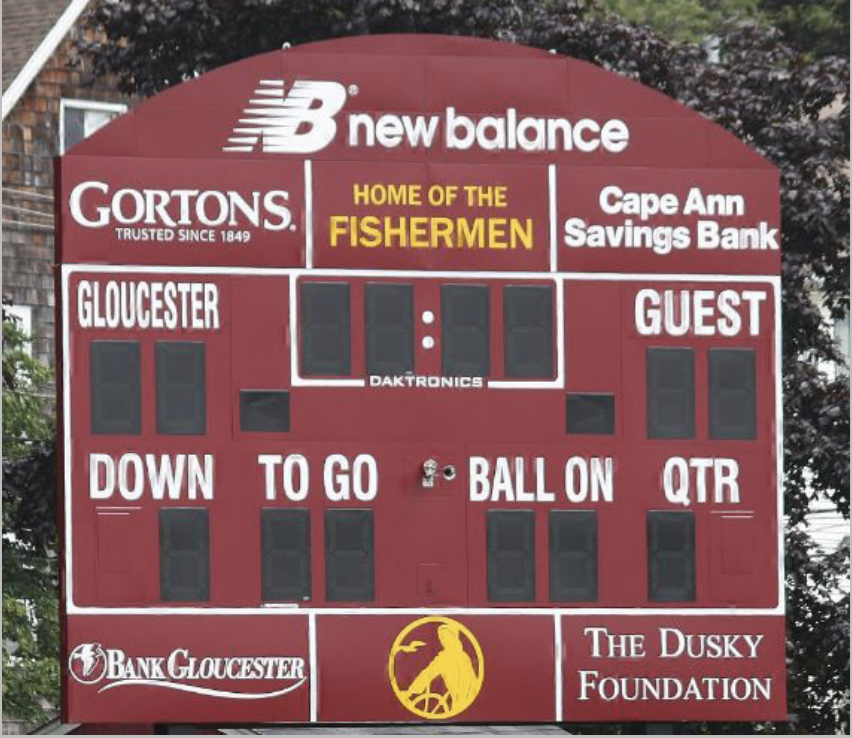
In Gloucester Massachusetts in 2005, the New Balance corporation pledged $500,000 for naming rights to the school stadium payable over 10 years. Other districts like Hopkington have policies on naming rights for buildings and facilities because they see this as a way of raising revenue without going to the taxpayer.
Our school’s FY26 budget is $22,965,330 this was accomplished by making some difficult choices. As a district we need to continue to do our best to live within our budget and it’s incumbent on us to offset as much of the cost of education as we can without seeking an override and passing these costs to the taxpayer and our vulnerable seniors.
What do you want to see happen in Sutton Public Schools over the next three years?
For the Simonian and Elementary school, I’d like to see implementable measurements for the investments the district has made in curriculum for the K-5 levels both in Math and English and would love to see continued investment in our special education services.
For the Middle school, and I would expect some of this is due to COVID, I would like to see an action plan discussed with milestones to get our 6th and 7th grade MCAS scores to at least the 50% baseline followed by a plan to bring them above the baseline. This might involve evaluating our current ELA curriculum and making appropriate changes.
For the High School we should investigate and potentially partner with the University of Massachusetts System if feasible, as part of the Commonwealth Collegiate Academy. This program allows High School students to take classes at a partner UMass School and earn both high school and college credit. As an early college program it also helps smooth the transition of students from high school to college. I’d also love to see more publicity and options around the Commonwealth Dual Enrollment program (CDEP) which helps students take college classes at community colleges and state universities. While CDEP doesn’t provide all the support of an early college program it can help fill the gaps where Sutton cannot provide courses.
For the district in general, I’d love to see an interactive budget dashboard similar to what our new town manager did for the town of Rutland; this would allow parents to download and really interrogate the spending and budget data adding even more transparency to the process.
How much input should parents have into the classroom curriculum? What should happen when state requirements conflict with parental concerns?
I define parental input as being informed about what and how their children are being taught in the classroom. Families entrust their children to the district and, in doing that, trust that their children are being taught in an appropriate manner. Unfortunately we hear stories on the news about incidents and curriculum being taught in some school systems that many parents might not agree with. When this happens it breaks trust and causes parents to wonder “could this happen here?”
It’s the responsibility of the district to be radically transparent in communicating to parents what, and how, the children in their care are being taught.
When conflict occurs parents should have the absolute right to opt-out their child. This to me is akin to understanding the menu of a restaurant and what ingredients go into the dish. Once I understand what’s on the menu it’s my right as a parent to not partake.
When conflicts occur with state requirements, the school committee needs to step in to understand parents’ concerns and, if necessary, advocate with DESE and our elected representatives for parents and their parental rights.
Ultimately the best form of education is one in which the local community is in control.
What made you decide to seek election or re-election?
I’m concerned with the long term budget of the district. The school is the largest budget item in the town and it is important that we are focusing these taxpayer funds efficiently and effectively. We need to use our limited resources to bolster our core subjects like English, Science, and Math; strengthening and equipping our kids to compete whether they choose college or another career path.
As I mentioned previously Sutton is a multigenerational community and I’m passionate about working with the administration to understand the budget and live within our means; I don’t believe in simply advocating for more resources, passing costs onward to our taxpayers and elderly without a deep dive into creative solutions to bring in new revenue.
I’m also passionate about solutions. As a manager I try to encourage my staff to never bring a problem without at least some idea of the solution. As a member of the school committee I believe it’s my job to listen and represent the public bridging the gap between resident, parent and school administration – and that’s what I’ll do.
What are your primary credentials that make you an excellent candidate?
I’ve worked in higher education for nearly 20 years in various positions. I began in a Financial Aid office and saw both the amazing benefits of Financial Aid in helping our students, but also the negative effects of crippling debt on new college graduates.
This experience gave me a deep understanding of the college admissions process and what characteristics, background, and high school coursework can make the difference between an admission or a denial.
In my higher education IT work I’ve managed and implemented workflow solutions handling almost two million pages of documents a year for a large university system mainly in admissions, financial aid, and student registrar offices. In this experience I brought key decision makers from various levels like CIO, Associate Vice President for Admissions, down to the clerical staff to work together to create a process which turned admission decision time from weeks to days.
This experience taught me to never settle for “it’s the way we’ve always done it,” and to always ask why until you come to the right solution.
Not settling for the status quo and bringing innovative solutions are precisely why I am uniquely qualified for this position.
If elected, how will you work to find common ground with your fellow school committee members?
The committee is a microcosm of the town bringing people from many different backgrounds and perspectives together. That being said, it’s very important to understand people’s perspectives even if you don’t always agree with them. Local boards like the school committee are a marketplace of ideas where reasoned discussion should lead to the best possible solutions. Humility and the ability to disagree without being disagreeable are critical skills to building consensus with fellow board members, and this is how I’ll operate.
What specific message would you like to share with the voters?
It’s a privilege to call Sutton home. Our community has deep roots and a rich history from Waters Farm to the Eight Lots School House. This spirit shines through in our community from events like Waters Farm Days to the Fourth of July and Memorial Day celebrations. We are also a multigenerational community, welcoming new families while preserving and protecting our seniors.
The school is a critical part of our community – but it doesn’t exist in a vacuum. We need committee members who can bridge the gap with all aspects of our community from elected representatives, to parents, to other town departments, and to taxpayers. It’s critical that committee members can listen and understand their constituents’ viewpoints and then bring those views to the committee – and this is what I’ll do.
I’ll bring a common sense approach to the school committee, that’s the difference between me and my opponents and that’s why I’m asking for your vote.